Breathwork Techniques for Stress Relief (Calm in a Few Breaths)
Your breath is a remarkable tool — consciously slowing and deepening it can calm your nervous system in minutes, anytime, anywhere, for free. Here is why breathwork calms you, the techniques worth trying, and how to make it a practice.
Why Breathwork Calms You
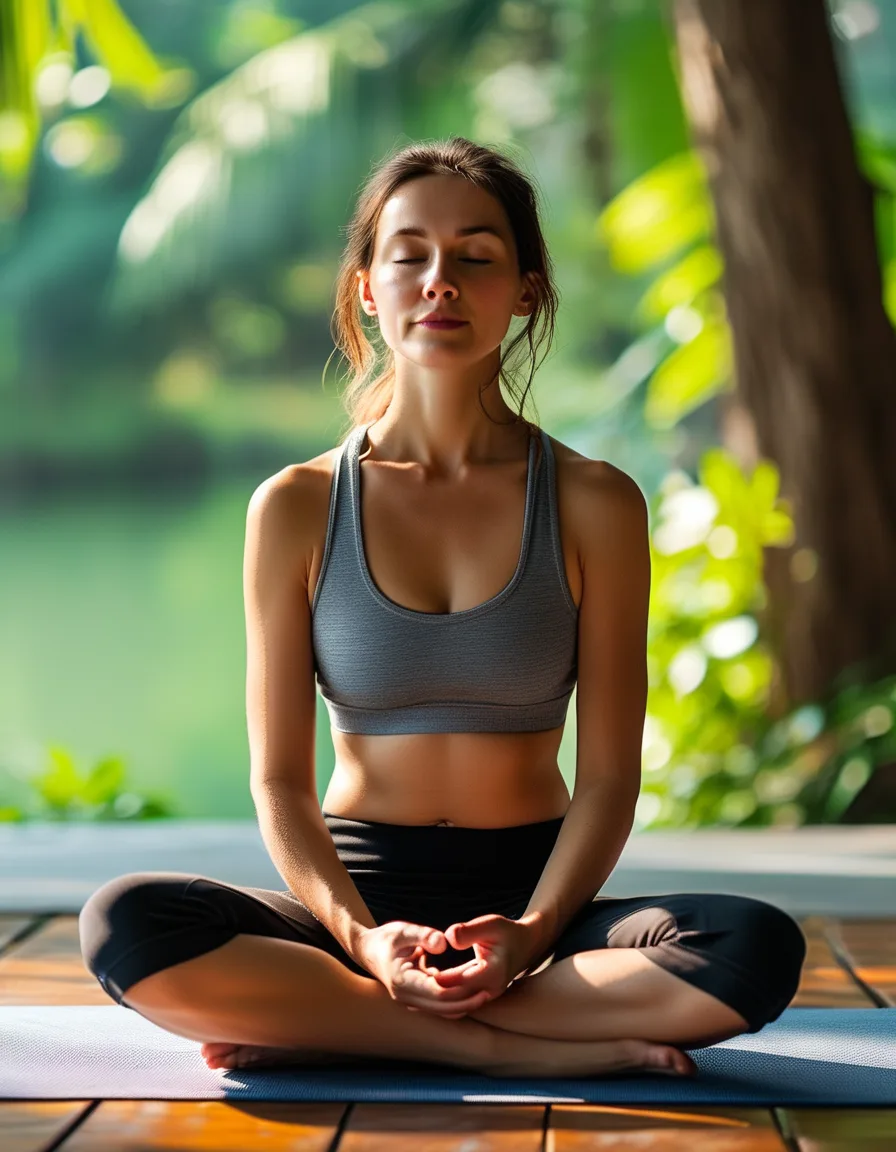
The breath-body connection: the the-calms-the-nervous-system (the slow breathing calming the nervous system from the beginner logic — the calms-nervous-system), the the-activates-relaxation (the deep breathing activating the relaxation response from the beginner logic — the activates-relaxation), the the-works-in-minutes (the breathwork working in just minutes from the beginner logic — the works-in-minutes), the the-anytime-anywhere-free (the breathwork being available anytime, anywhere, for free from the beginner logic — the anytime-free), the the-a-tool-you-always-have (the your breath being a tool you always carry from the beginner logic — the always-have), and the reframe (the breathwork as a remarkable, free tool — consciously slowing and deepening the breath to calm your nervous system in minutes, anytime, anywhere).
The Techniques to Try
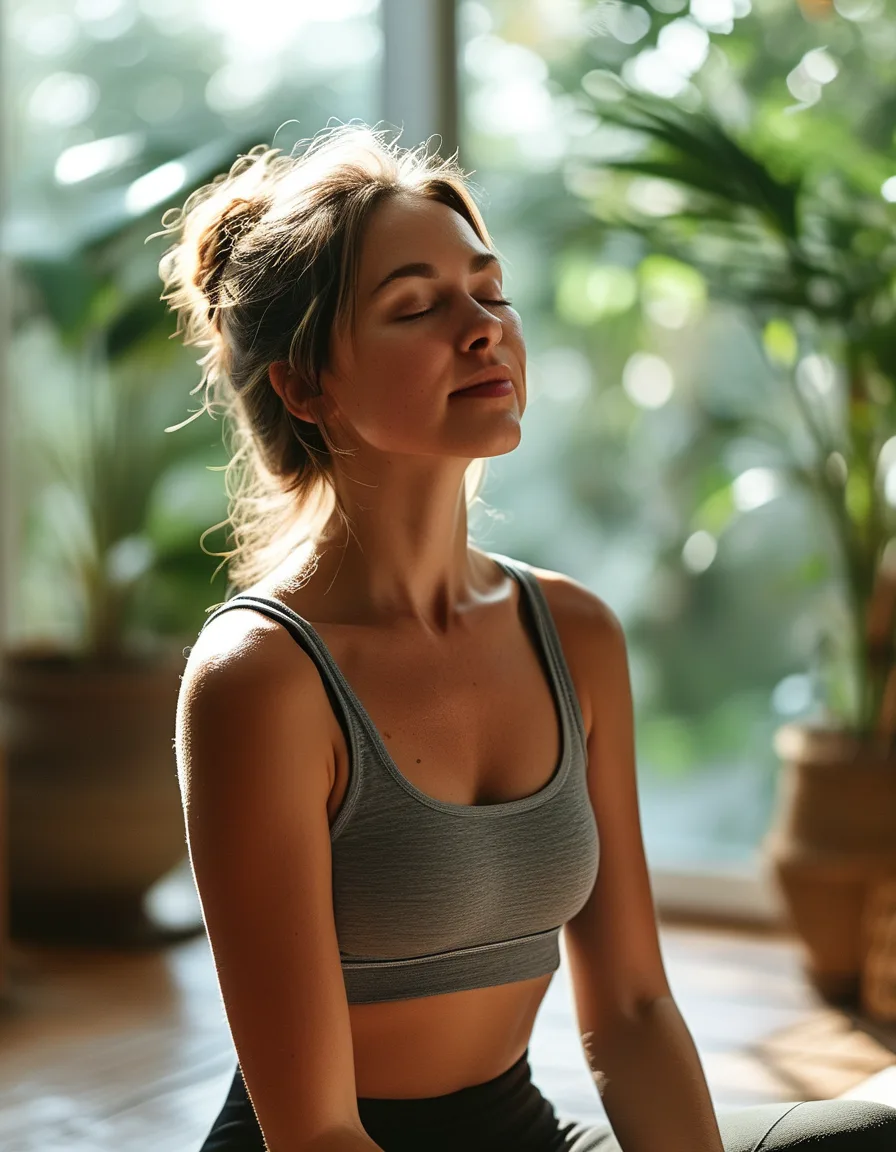
Breathwork techniques: the the-box-breathing (the box breathing — equal inhale, hold, exhale, hold from the beginner logic — the box-breathing), the the-extended-exhale (the longer exhales than inhales to calm down from the beginner logic — the extended-exhale), the the-diaphragmatic-breathing (the deep belly breathing from the beginner logic — the diaphragmatic), the the-4-7-8-breathing (the the 4-7-8 breathing pattern for relaxation from the beginner logic — the 4-7-8), the the-slow-deep-breaths (the simple slow, deep breaths from the beginner logic — the slow-deep-breaths), the the-alternate-nostril-breathing (the alternate nostril breathing for calm from the beginner logic — the alternate-nostril), the the-pick-what-works-for-you (the choosing the technique that calms you most from the beginner logic — the pick-what-works), and the the-a-few-minutes-is-enough (the just a few minutes being enough from the beginner logic — the few-minutes-enough).
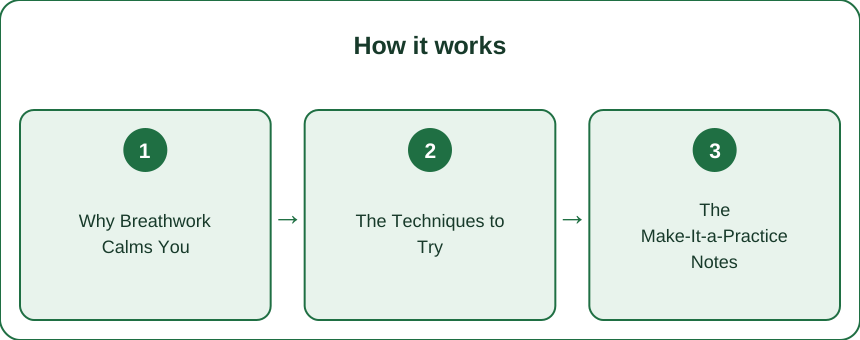
The Make-It-a-Practice Notes
Building a breathwork habit: the the-use-it-when-stressed (the using breathwork in moments of stress from the beginner logic — the use-when-stressed), the the-a-daily-practice (the a short daily breathwork practice from the beginner logic — the daily-practice), the the-anchor-to-a-routine (the anchoring breathwork to a daily routine from the beginner logic — the anchor-to-routine), the the-a-few-minutes-daily (the just a few minutes a day building the habit from the beginner logic — the few-minutes-daily), the the-use-it-anywhere (the using it anywhere you need calm from the beginner logic — the use-anywhere), the the-consistency-builds-the-benefit (the consistent practice deepening the benefit from the beginner logic — the consistency-builds), the the-pair-with-other-calm-habits (the pairing breathwork with other calming habits from the beginner logic — the pair-with-calm), and the frame (the breathwork as a free, fast way to calm the nervous system — box breathing, extended exhales and belly breathing, practiced a few minutes daily and used when stressed — calm in a few breaths. Try box breathing and extended exhales, practice a few minutes daily, anchor it to a routine, and use it anytime you need calm).
Your breath is a remarkable tool — consciously slowing and deepening it can calm your nervous system in minutes, anytime, anywhere, for free. Breathwork calms you because it calms the nervous system, activates the relaxation response, works in minutes, is available anytime and free, and is a tool you always have. The techniques to try: box breathing, extended exhales, diaphragmatic breathing, 4-7-8 breathing, slow deep breaths, alternate nostril breathing, picking what works for you, and knowing a few minutes is enough. Make it a practice by using it when stressed, a daily practice, anchoring it to a routine, a few minutes daily, using it anywhere, letting consistency build the benefit, and pairing it with other calm habits. Calm in a few breaths.
Keep Reading
This article is for general informational purposes only and is not medical advice. Always consult a qualified health professional for guidance specific to you.