The Breathing Technique to Use Right Before Public Speaking (Not During)
Quick Answer: Do your breathing 5–10 minutes before you speak, not while you’re speaking. The technique: physiological sighs — two inhales through the nose (a full one, then a short second sip), followed by one long slow exhale through the mouth. Repeat 5–8 cycles while sitting still. Once you’re actually talking, do nothing except avoid holding your breath. The calm you build beforehand carries through the opening minutes, which are the hardest part anyway.
You’re three sentences in. Someone in row two is looking at their phone. And a helpful voice in your head says: remember to breathe deeply.
So now you’re managing your diaphragm and your argument at the same time, and doing neither well.
That advice isn’t wrong. It’s just aimed at the wrong minute.

Why Doesn’t Breathing Work During the Speech Itself?
It splits attention between two demanding tasks. Delivering content takes real cognitive resources. So does consciously regulating your breath. Run both and you get worse at both — usually showing up as a lost thread mid-sentence, which then produces more anxiety than the breathing was supposed to relieve.
The state you walk on with is mostly already set. Your physiological arousal entering the moment was determined by the previous several minutes. You can’t meaningfully re-regulate it between clauses. The window to intervene closed before you reached the podium.
The technique needs space that speaking doesn’t offer. Effective breath regulation needs a few minutes of relatively undivided attention. A live speaking moment offers approximately none.
During the speech, the actual goal is much smaller. It isn’t to run a technique. It’s just: don’t hold your breath, and don’t restrict it. Speak in complete phrases and let the pauses be real pauses. That’s the whole job.
And front-loaded calm carries. The state you establish beforehand tends to persist through the first several minutes of speaking — which is precisely the highest-anxiety window. You’re covering the hard part by doing the work early.
What’s the Exact Technique and Timing?
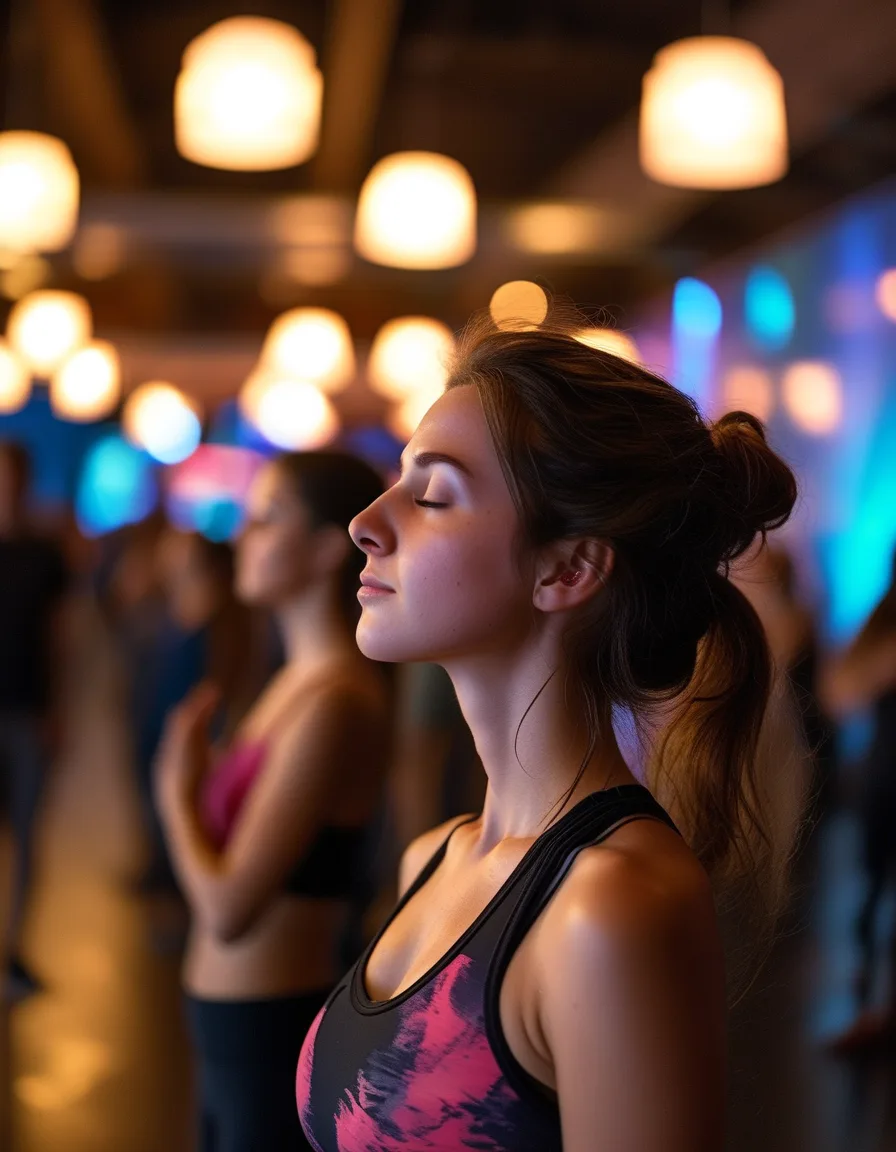
The technique: the physiological sigh. One full inhale through the nose, then a second shorter inhale on top of it — a little sip that tops off the lungs — then a long, slow, unforced exhale through the mouth. Make the exhale roughly twice as long as the combined inhale. It’s the pattern your body already produces spontaneously when you’re settling down after crying, which is a decent hint that it isn’t arbitrary.
Do 5–8 cycles. One breath doesn’t do it. Several consecutive cycles are what let the shift actually register. This takes about 60–90 seconds.
Time it 5–10 minutes before you go on. Not at the doorway. Not as they’re saying your name. The effect needs a few minutes to settle in, and doing it under time pressure reintroduces exactly the arousal you’re trying to reduce.
Be physically still while you do it. Sit or stand in one place. Don’t review notes, don’t pace, don’t scroll. Splitting attention here defeats the purpose the same way it does mid-speech — the nervous system needs the input to be uncontested to actually downshift.
Optional: a light top-up right before you walk on. Two or three easy breaths as you stand up. This is a small final touch, not the main work. Don’t try to compress the whole protocol into it.
If the double-inhale feels awkward, box breathing works in the same window: inhale 4, hold 4, exhale 4, hold 4, for about two minutes. Same timing, same stillness, different pattern.
5 Mistakes That Make It Backfire
1. Trying it for the first time on the day that matters. Unfamiliar techniques feel strange, and strange feels like “this isn’t working,” which becomes its own anxiety spiral. Practice it a dozen times in low-stakes moments first — in the car, before a meeting, waiting for coffee. It should feel boring by the time you need it.
2. Timing it too close. Starting 20 seconds before you walk on gives the effect nowhere to land. You need minutes.
3. Running the technique mid-speech. The one this whole article is about. Once you’re talking, breathe normally.
4. Overthinking the execution. If you’re worried about whether your second inhale was the right length, the technique has become a performance you can fail at — which is a new source of anxiety, not a fix for the old one. Approximately right is entirely fine.
5. Skipping it because it feels ridiculous. It does feel a bit ridiculous the first few times. You’ll be doing it alone in a hallway or a bathroom stall where nobody can see you. Self-consciousness about a private technique is a genuinely poor reason to skip one of the more reliable tools available.
Mini FAQ
What if I don’t have 10 minutes of privacy before I speak?
Two minutes in a hallway or a restroom is enough for a meaningful effect. Even seated in your chair, doing it quietly with your eyes open, works — nobody notices someone breathing slowly.
Does this work for interviews and difficult conversations too?
Yes. Any situation with a known start time and a predictable spike in nerves fits the same pattern: regulate in the window beforehand, then let the conversation be the conversation.
When should I talk to a professional?
If speaking anxiety is severe enough that you’re turning down opportunities, or if it comes with panic symptoms — chest tightness, dizziness, a sense that something is badly wrong — that’s worth raising with a doctor or therapist. Breathwork is a useful tool, not a treatment for an anxiety disorder, and effective help exists for the latter.
TL;DR:
- Breathwork is a pre-speaking tool. During the speech, just don’t hold your breath.
- Physiological sigh: two inhales through the nose, one long exhale through the mouth.
- 5–8 cycles, 5–10 minutes before, sitting or standing still with nothing else going on.
- Practice it in low-stakes moments first so it feels boring on the day.
- Front-loaded calm covers the opening minutes, which is the part that’s hardest anyway.
Keep Reading
This article is for general informational purposes only and is not medical advice. Always consult a qualified health professional for guidance specific to you.