Box Breathing or 4-7-8? Which One Actually Fits Your Situation
Quick Answer: Box breathing (equal 4-4-4-4 counts) is better for staying calm and focused during an active stressful moment, while 4-7-8 breathing (with its longer exhale) is more specifically built to trigger the relaxation response for sleep or winding down — the difference comes down to the exhale length and what physiological effect that creates.
Both techniques get recommended constantly for ‘stress relief,’ but they’re not actually interchangeable — the structural difference between them changes what each is best suited for.
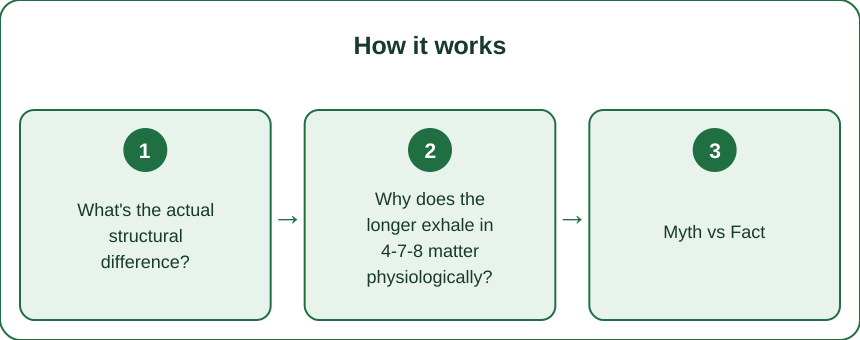
What’s the actual structural difference?
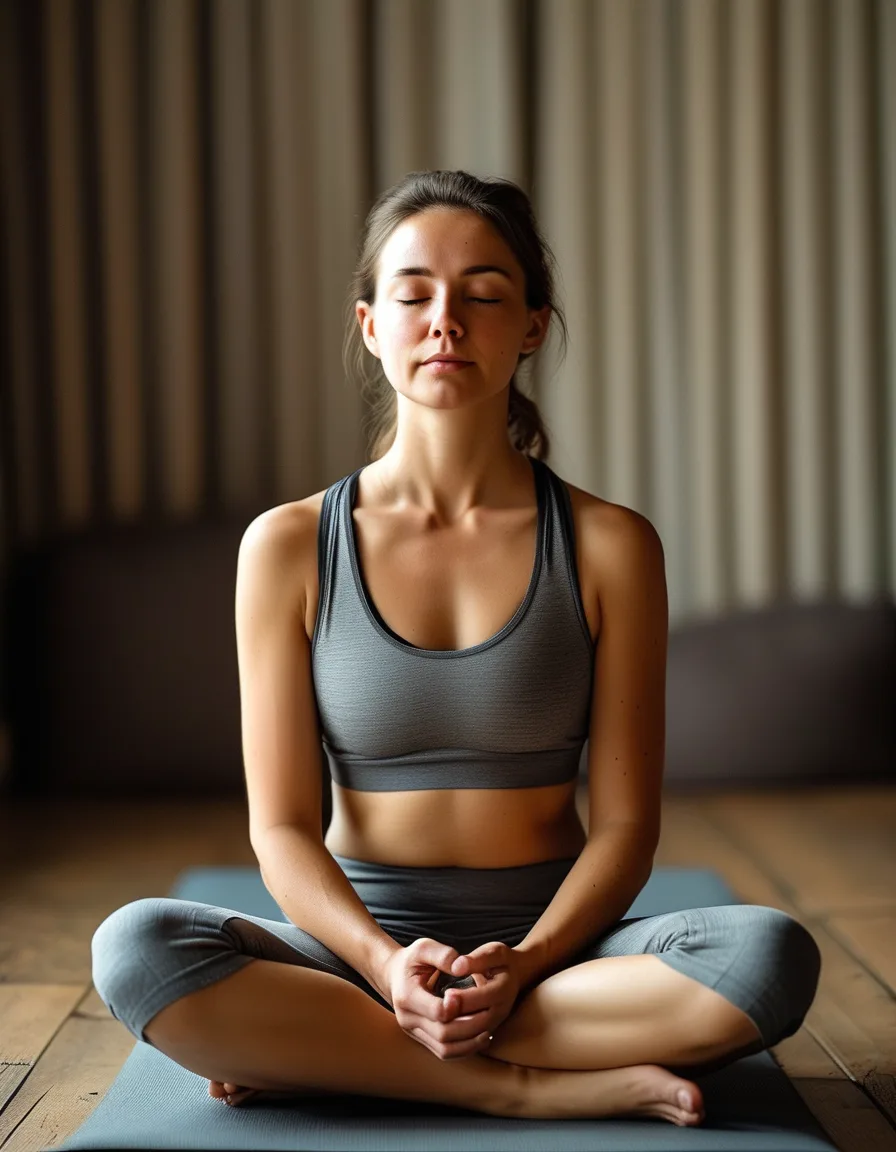
Box breathing uses equal counts for inhale, hold, exhale, hold (commonly 4-4-4-4), creating a steady, balanced rhythm that’s easy to maintain even with eyes open during an active task.
4-7-8 breathing uses a much longer exhale relative to inhale (4 count inhale, 7 count hold, 8 count exhale), and that extended exhale is specifically what triggers a stronger parasympathetic (rest-and-digest) response than the balanced box pattern.
Why does the longer exhale in 4-7-8 matter physiologically?
Exhaling for longer than you inhale increases vagal tone — activity in the vagus nerve, which is central to your body’s relaxation response — more than equal-length breathing patterns do.
This is why 4-7-8 has a stronger reputation specifically for sleep and acute anxiety relief, while box breathing’s balanced rhythm is easier to sustain during situations where you still need to stay alert and functional, like before a presentation.
Myth vs Fact: Box Breathing and 4-7-8
Myth: One technique is objectively better than the other. Fact: They’re built for different contexts — box breathing for staying calm while alert, 4-7-8 for actively winding down — ‘better’ depends entirely on the situation.
Myth: You need to do these for a long time to feel any effect. Fact: Both can produce a noticeable calming effect within just 4-8 cycles (a few minutes), though longer sustained practice builds a stronger long-term stress-response baseline.
Myth: 4-7-8 breathing is safe for everyone to do intensely. Fact: The breath-holding component can cause lightheadedness in some people, especially early practice — starting with shorter counts and building up is the safer approach.
When should you actually reach for each one?
Use box breathing before or during a stressful task you need to stay sharp for — a difficult conversation, a presentation, competitive performance — since it calms without inducing drowsiness.
Use 4-7-8 breathing when your actual goal is winding down completely — before sleep, after a stressful event has passed and you’re transitioning to rest, or during acute anxiety when you want a stronger calming effect and don’t need to stay alert afterward.
FAQ: Box Breathing vs 4-7-8 Questions, Answered
Can box breathing help with sleep too?
It can help some people relax before bed, but 4-7-8’s longer exhale generally has a stronger reputation and research basis specifically for sleep onset.
Is 4-7-8 breathing safe to do every day?
Yes for most people, though those with certain respiratory or cardiovascular conditions should check with a doctor before regular practice, especially with the breath-holding component.
How many rounds of either technique should I do?
4-8 rounds is a common starting point for both — noticeable calming effects usually show up within this range for most people.
TL;DR:
- Box breathing’s equal counts suit staying calm while still needing to be alert
- 4-7-8’s longer exhale more strongly triggers the relaxation response, better for winding down
- Both can work within just a few minutes of practice
- Pick based on whether you need to stay sharp (box) or fully relax (4-7-8)
This is general information, not medical advice — check with a doctor before regular practice if you have respiratory or cardiovascular conditions.
Keep Reading
This article is for general informational purposes only and is not medical advice. Always consult a qualified health professional for guidance specific to you.